

Australian summer breaks equipment. Hook lift failures jump between December and February, spiking even higher when high temperatures push past 38°C.
For waste management, transport, and construction equipment operators, that means emergency repairs.
Your hook lifts and tarping systems face 40-degree days, world-leading UV levels, and direct sun that heats metal surfaces to 70°C. Hydraulic fluid stops working properly, metal parts expand, electronics fail, and tarp materials deteriorate under constant UV exposure.
The fix is preventative maintenance—combining weekly checks you can handle yourself with professional servicing every 6-12 months from West-Trans. Ideally, start this 4-6 weeks before summer hits (October-November for most regions), and focus on three systems: hydraulics, tarps, and electrical components.
Different Australian climate zones need different approaches. What works in temperate Victoria won’t cut it in tropical Queensland or arid Western Australia. Let’s find out what works for you.
How Australian Summer Heat Affects Hook Lift Equipment
Temperature Extremes Across Australia
Operating in Queensland or the NT? You already know what 38 degrees with humidity does to you. Imagine what it does to your equipment.
In Central Australia, WA, and SA interior, being in 40+ degree heat is normal. Then it drops 25 degrees overnight. Your equipment expands, contracts, expands again—day after day.
Coastal NSW, Victoria, and Tasmania get a false sense of security. Then January hits during the Christmas rush when half your crew is away, and suddenly you’re running equipment in summer heat with every truck on the road.
Winter is easy on the equipment. Summer is not.
Here’s what actually kills it: your hook lift sits in full sun for 8-10 hours. Metal doesn’t just get warm. It gets 30-35 degrees hotter than the air. A 40-degree day means your subframe and cylinders are 70-75 degrees. At that temperature, metal clearances change, seals don’t seal properly anymore, and hydraulic fluid acts differently. Everything you relied on in winter stops working the way it should.
What Actually Breaks in Summer
Hydraulic fluid breaks down first. Above 60°C, it thins out. The lift gets sluggish, it takes longer to raise loads, and your pump starts wearing faster because the oil isn’t doing its job properly.
Then the oil oxidises. You get sludge building up, varnish coating your filters and it clogs everything. In really bad cases, the fluid starts foaming. Once air gets in the system, you’ll get jerky and unpredictable operation. Some days the lift works, and some days it doesn’t.
Seals are the next thing to go. Every rubber seal in your cylinders, pumps, and connections are all cooking in the heat and UV. A seal that should last three years fails in 18 months. And when they fail, you’ve got leaks everywhere, contaminated fluid, and environmental compliance issues if you’re not careful.
Electrical systems don’t cope well either. Control modules are rated to 85 degrees. Put them in direct sun or next to hot hydraulics, and they’ll go past that. Wiring gets brittle from UV exposure, and you’ll get shorts and intermittent faults that are impossible to track down.
Batteries are even worse. Above 35 degrees, you lose half the battery life. If it’s constantly hot, you’re replacing the batteries every 18 months instead of every 3 years.
You can see tarps failing as UV destroys PVC and canvas. They fade, get brittle, and tear at the stress points. Northern operators replace tarps every 18-24 months, while Southern operators get 3-4 years from the same tarp.
Pre-Summer Hook Lift Maintenance Checklist
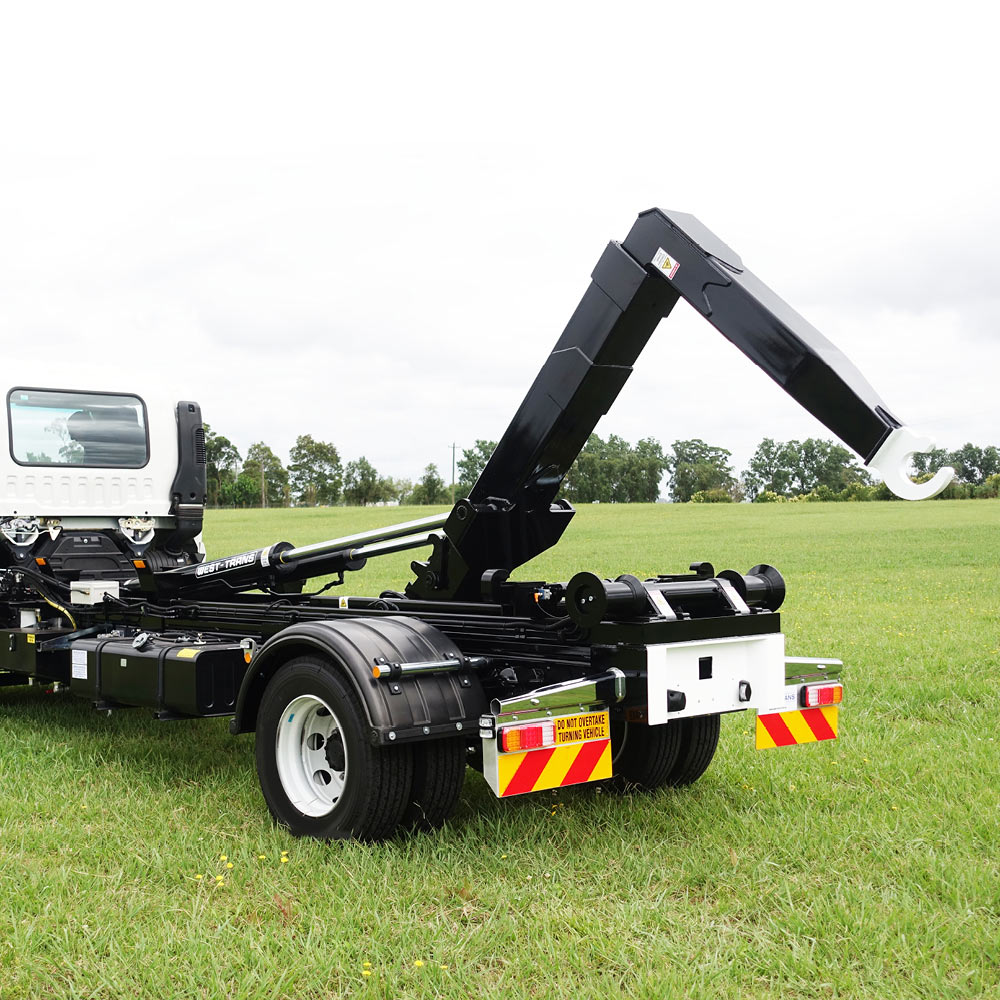
Get this done 4-6 weeks before your region hits peak summer weather. For most of Australia, that means October-November. You want time to fix anything that comes up during inspection without the pressure of peak season breathing down your neck.
Hydraulic System Prep
Check what hydraulic fluid you’re actually running. You need oil rated for continuous operation at 60-80°C with a viscosity index above 140°C. Most operators use ISO VG 46 or ISO VG 68 with anti-wear additives made for high temperatures.
If you’re still on standard hydraulic oil, switch now.
Look at fluid levels when the system’s warm and the hook is down. Low levels mean less heat dissipation and faster wear. Replace filters before summer hits as heat speeds up contamination.
Go over every hose and connection looking for UV damage. You’re checking for surface cracks, hardening, or discolouration. Run the system through full cycles under load and watch for leaks.
Structural and Mechanical Bits
Lubricate your hook and latch mechanisms with high-temp grease rated to at least 150°C. Standard grease just liquefies in summer heat. Check all pivot points for wear—any play or binding needs attention.
Also look at the subframe mounting points for stress cracks, as thermal expansion can create additional load. Inspect rollers and guides for wear patterns that indicate misalignment.
Electrical and Controls
Test your battery. Batteries over 35°C shorten their lifespan by half, so if it’s borderline, replace it now. Check the wiring harnesses for UV damage, especially anywhere with direct sun exposure.
Make sure the control panel heat shielding is intact. Look at all sensor connections for corrosion and calibrate according to manufacturer specifications.
Protecting Tarps from Australian Summer
Tarps cop the worst of it. Sun all day, heating up and cooling down, plus you’re opening and closing them constantly.
Checking Tarp Condition
Check your tarps every few weeks. Look for brittleness, fading, or stiffness when you bend the material. Small tears usually start at the edges. The spots where tarps attach to the mechanism fail first, so check these closely.
Clean debris off your tarps as dirt and grime hold heat against the material and wear it out faster. After cleaning, spray on a UV protectant made for your tarp type.
PVC handles heat well but goes brittle under UV. Mesh tarps cope better with the sun but tear easily. Canvas lasts longer but holds more heat, which can be a problem depending on what you’re hauling.
Tarp Mechanisms
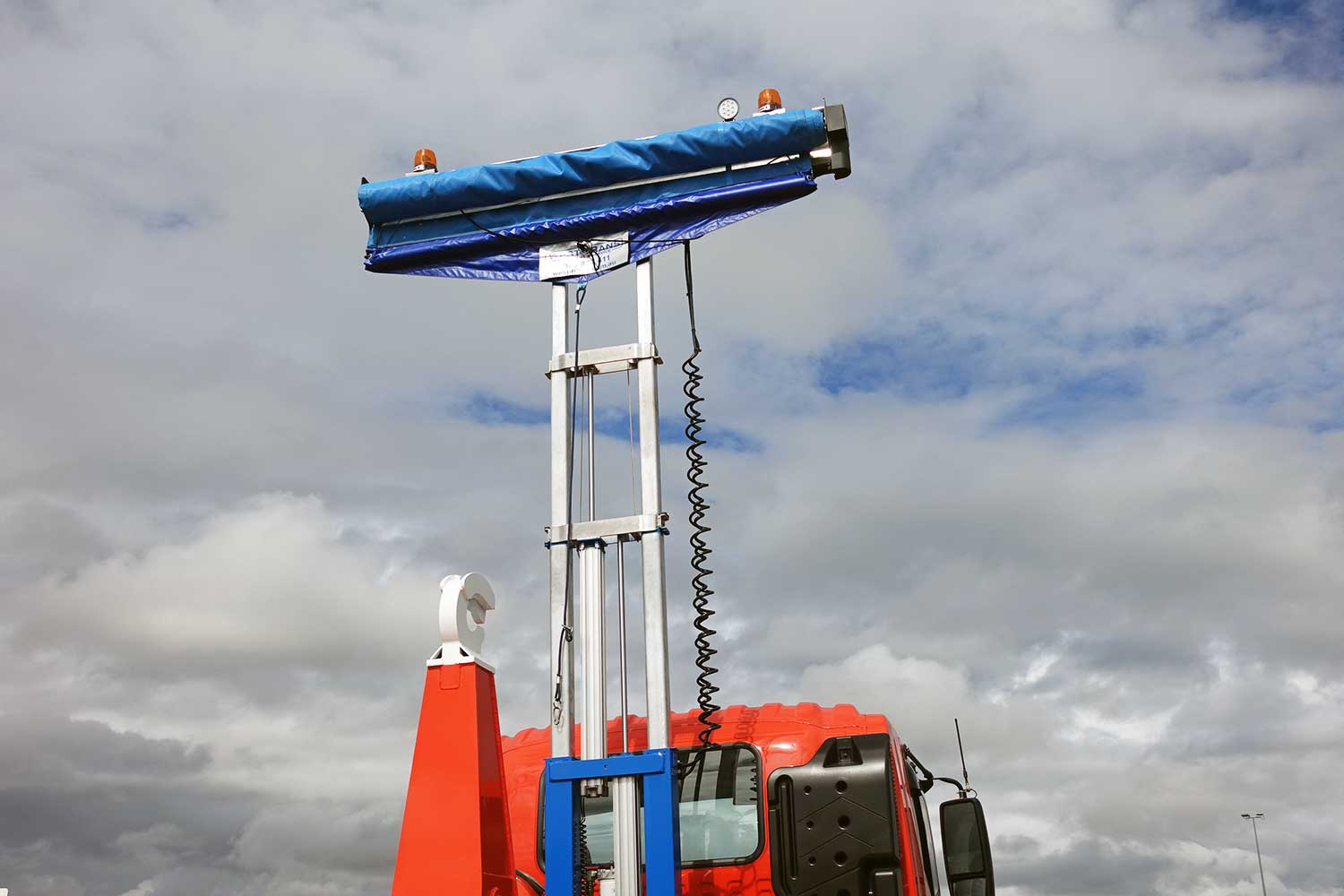
Lubricate roller systems with high-temp grease. For hydraulically operated systems, check arm and spring tension. Heat causes springs to lose tension, affecting how the tarp operates. For HyCover systems, make sure the pneumatic components and electric motors work properly.
Look at electric tarp motors and gearboxes for signs of overheating. Check cables and pulleys for fraying or corrosion. Make sure mounting brackets are tight, as vibration plus thermal expansion loosens fasteners.
If you’re running hydraulically or electronically operated tarp systems, pay attention. Motors rated for 40°C ambient can overheat when they’re bolted to something in direct sun. Remember, operators should always be outside monitoring the operation. You might need heat shields or to relocate control boxes to shadier spots.
When to Replace vs. Repair
Replace tarps if they’re brittle across more than 30% of the surface, have tears bigger than 100mm at stress points, or have failed reinforcement stitching in multiple spots.
You can still repair isolated tears under 50mm, minor edge damage, or single reinforcement failures.
Australian regulations require tarps to fully contain loads during transport—keeping scrap metal and waste properly covered to comply with road regulations. A dodgy tarp isn’t just an operational issue, it’s a compliance and safety problem.
Summer Operating Protocols
Daily Checks
Spend 15 minutes each morning visually checking for hydraulic leaks, tarp tears, or unusual wear. Verify fluid levels before you start work, listen for weird noises during operation, and park in the shade when you can.
Weekly and Monthly Schedules
Every Week
Check your tarp system weekly. Clean off debris and hit the high-use pivot points with lubricant and watch the hydraulic fluid temperature while you’re running it. Make sure everything’s moving smoothly.
Every Month
Monthly, go deeper. Clean the hydraulic components properly. Lubricate everything that moves. Time your lift cycles and tarp operation; if things are slowing down, you’ve got wear happening. Also, check the electrical connections.
Managing the Heat
Heat management matters. Run heavy jobs in the morning when it’s cooler. After solid use in extreme heat, let the system cool for 10-15 minutes. Keep debris off the cooling system and hydraulic fins. If you’re parked at a site all day, get some shade over the equipment.
Different Climates Need Different Approaches
Tropical North (QLD, NT)
Extreme heat and humidity accelerate corrosion. Inspect electrical connections and metal components more often—your summer prep overlaps with monsoon prep. Moisture and heat together create the harshest conditions you’ll face. Apply corrosion inhibitors to all exposed metal.
Arid Regions (WA, SA)
Dust plus heat is murder on seals and hydraulic components, so change air filters more frequently. Clean equipment regularly and use dry cleaning methods or minimal water with compressed air.
Be ready for 20-30 degree temperature swings between day and night, which cycle your equipment through rapid thermal changes.
Temperate Zones (NSW, VIC, TAS)
Don’t get complacent just because the summer months seem milder. Those short, intense heat periods still require equipment that’s ready. Bushfire season brings extra concerns, so make sure tarps meet ember-resistance requirements where applicable and that equipment can handle smoky conditions.
When to Call for Help
Call West-Trans or a qualified technician if your hydraulic temp stays above 80°C, pressure drops mid-lift, the tarp motor quits or overheats, pumps sound wrong, or electrics are messing with your safety systems.
Brake problems, frame cracks, control system faults—stop and get professional help. Don’t attempt hydraulic or electrical repairs unless you’re trained.
You Can Get Started Now
Summer’s coming. Get this done now, before you’re dealing with breakdowns in January when everyone’s on holiday and parts take three weeks to arrive.
Summer preparation isn’t optional in Australian conditions. Start your pre-summer maintenance now before temperatures spike. Create a maintenance calendar with daily, weekly, and monthly tasks. Book a professional service for the complex systems.
Small investments in preventative care stop major failures when you can least afford downtime. Your equipment performs reliably, your operators stay safe, and your business keeps running through demanding Australian summer conditions.